What Neurodiversity-Affirming Speech Therapy Actually Means
Most therapy focuses on what a child can't do yet. We start somewhere different.
You've probably seen the phrase on a clinic website or in an Instagram bio. Neurodiversity-affirming. It sounds meaningful, but most places don't explain what it actually looks like in practice.
Here's what it means, and what it doesn't.
What Neurodiversity-affirming doesn't mean
It doesn't mean ignoring your child's challenges. It doesn't mean skipping evaluation or avoiding goals. It doesn't mean telling you everything is fine when you're watching your child struggle to connect with other kids or get their needs met.
Those are fair concerns, and they deserve a direct answer.
What Neurodiversity-affirming actually means
It starts with a different question.
Most traditional therapy models begin by identifying what a child can't do. The deficit list. Then therapy works to close those gaps, usually by moving the child toward a neurotypical standard of communication.
Neurodiversity-affirming therapy starts by asking what the child is already doing. What are they communicating, even without words? What are their strengths? What does connection look like for them specifically?
From that foundation, therapy builds outward. The goal isn't to make a child communicate the way most children do. The goal is to give them the tools to express who they already are, more fully and more confidently.
What this looks like in a session
A child who lines up toys instead of playing with them imaginatively isn't doing therapy wrong. That's information. A therapist working from a neurodiversity-affirming framework uses that interest as an entry point, not a problem to correct.
A child who repeats lines from a favorite show instead of answering questions directly isn't being avoidant. That's a communication strategy that means something. The work is figuring out what it means and building from there.
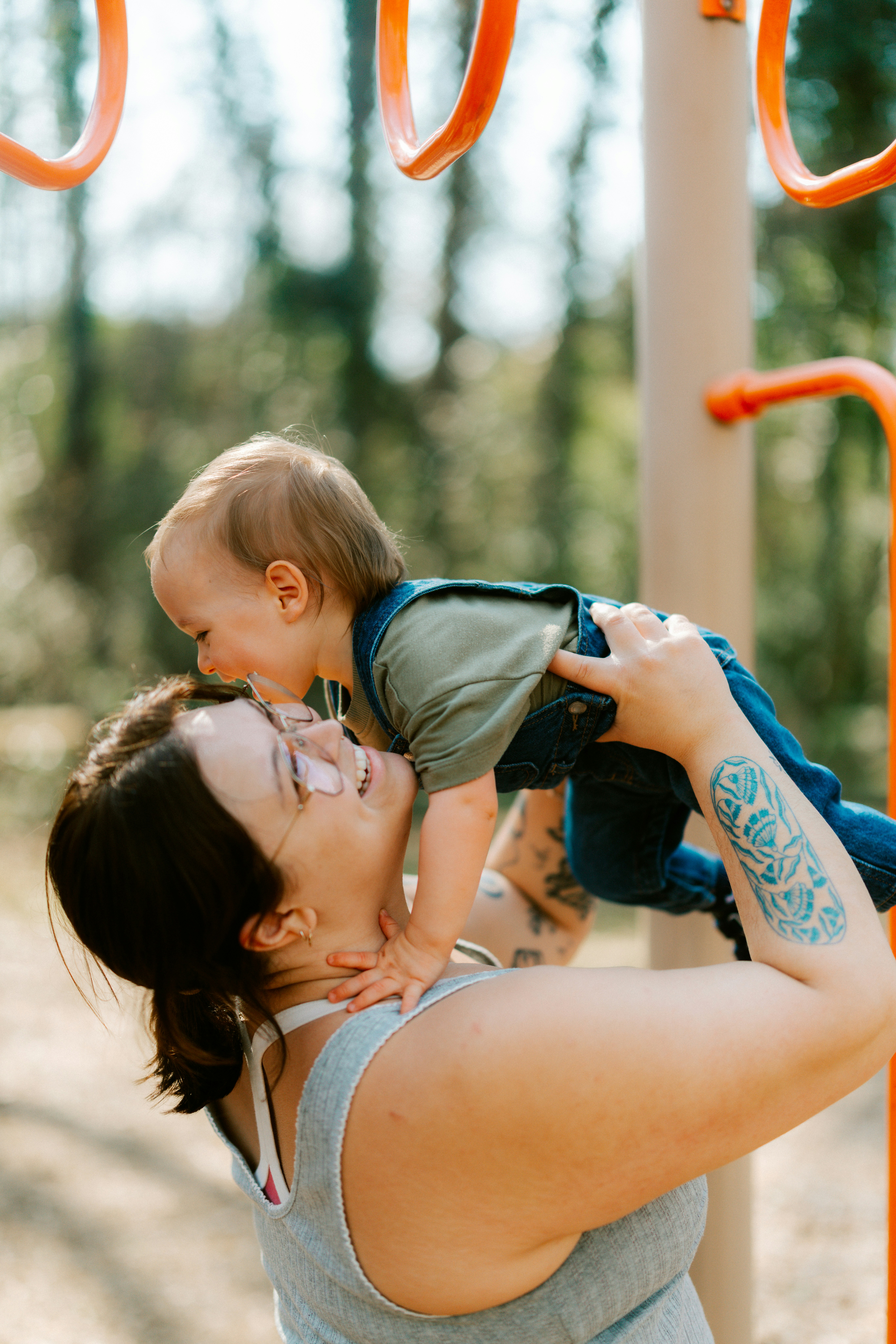
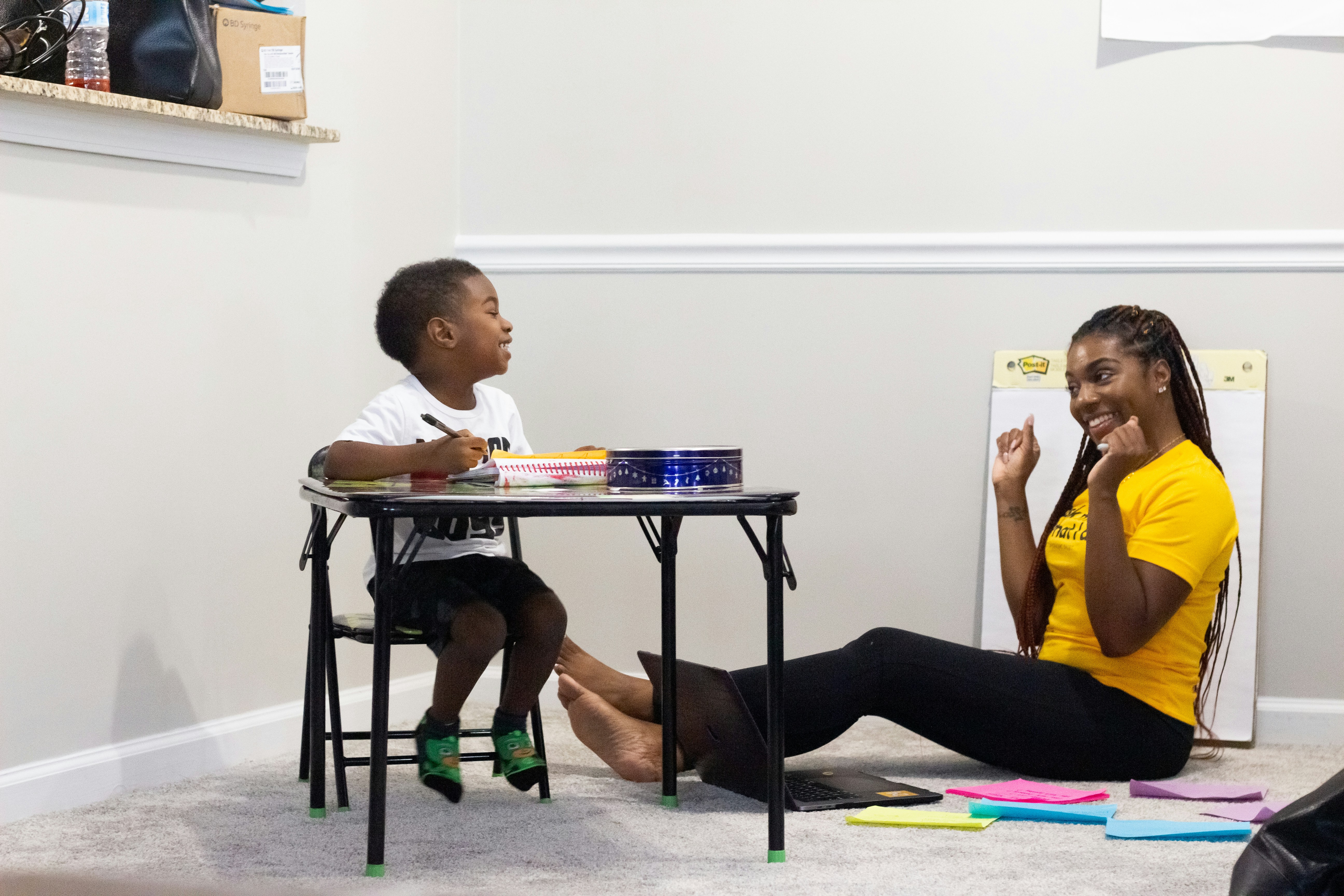
The session looks less like drilling and more like following. The child leads. The therapist reads what the child is doing and meets them there.
Why it matters for outcomes
Children communicate more when they feel safe. They take risks with language when they aren't afraid of getting it wrong. A therapy environment built on celebration rather than correction creates the conditions where real progress happens.
That's not a soft philosophy. It's how communication development actually works.
What it means for your family
You are part of the process, not a bystander. Neurodiversity-affirming care includes you because you know your child better than anyone in that therapy room. Your observations, your instincts, your knowledge of what your child responds to at home, all of that is clinical information.
The best outcomes happen when families and therapists are working from the same playbook. Not the therapist's playbook handed to the parent. A shared one built together.
Is this the right approach for your family?
If you've been wondering whether this approach is the right fit for your child, a free consultation is a good place to start. No commitment, just a conversation about where your child is and what support could look like for your family.
Recent posts




Related Articles
Your go-to source for mental health insights, tools, and advice.