
Why Isn't My Toddler Talking Yet?
Your toddler understands everything you say. They follow directions, they laugh at the right moments, they know exactly what "snack" means. But the words aren't coming, and you're starting to wonder if something is wrong. You're not overreacting. And you're not alone.
Your toddler understands everything you say. They follow directions, they laugh at the right moments, they know exactly what "snack" means. But the words aren't coming, and you're starting to wonder if something is wrong.
You're not overreacting. And you're not alone.
First, a distinction worth knowing
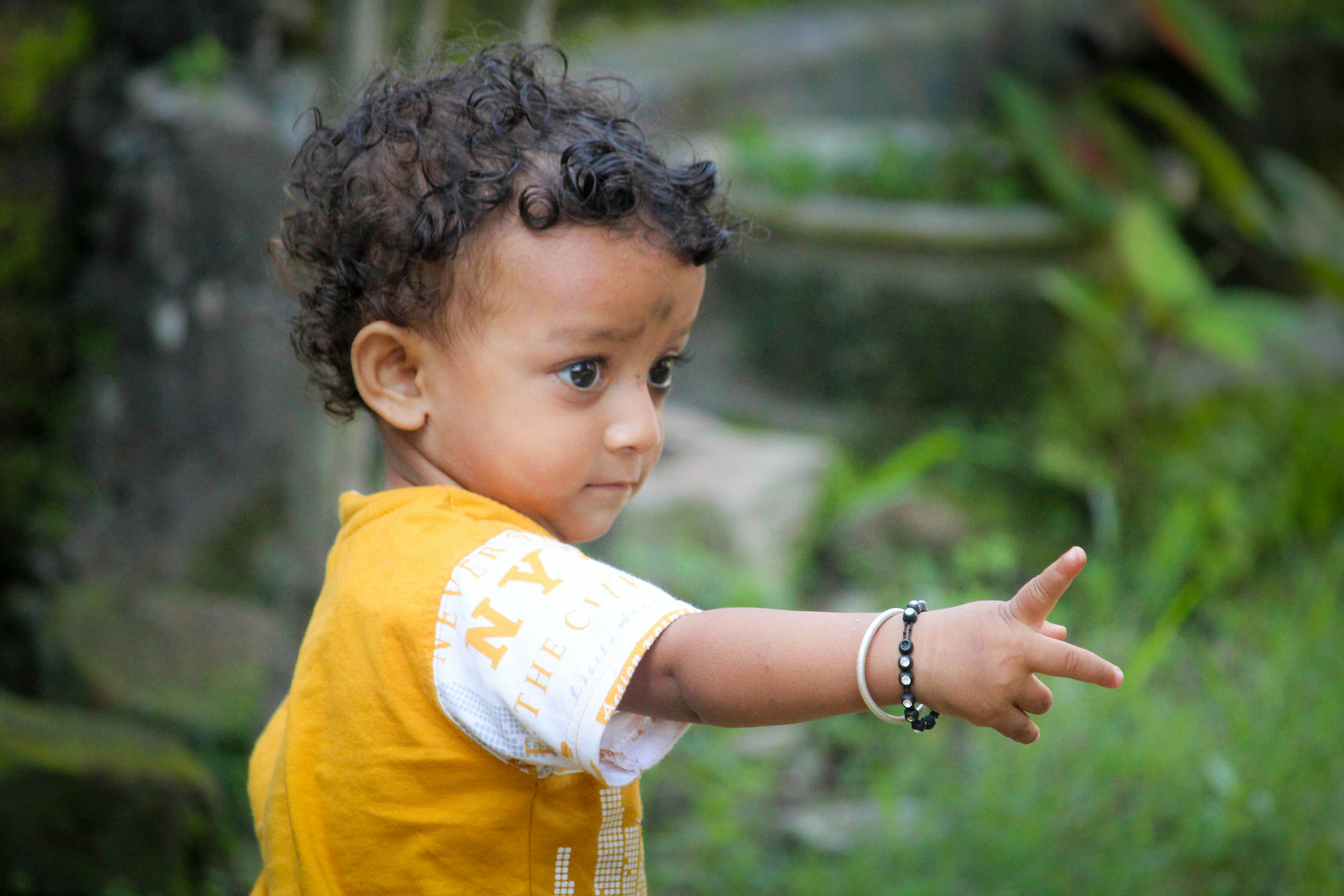
There's a difference between a child who isn't talking yet and a child who isn't communicating. If your toddler is making eye contact, pointing, gesturing, and responding to you, that's communication. The words may just be taking longer to arrive.
Late talking is still worth paying attention to. Not because something is necessarily wrong, but because early support, when it's needed, makes a real difference.
What the milestones actually say
These are guidelines, not a pass/fail test.
By 12 months: babbling, using gestures like pointing or waving, responding to their name
By 18 months: saying at least 5 to 10 words consistently
By 24 months: combining two words together ("more juice," "daddy go") and using around 50 words
By 36 months: using short sentences, strangers can understand about 75% of what they say
If your child is consistently behind on more than one of these, a speech evaluation is worth considering. Not to put a label on anything, just to get a clear picture.
What actually helps at home
You don't need flashcards or apps. You need conversation.
Follow their lead. Talk about whatever they're focused on. If they're staring at the dog, say "dog," not "can you say dog?"
Narrate your day. "I'm pouring your juice. Cold juice." Simple, real, repeated often.
Pause and wait. Give your child more time to respond than feels comfortable. Silence is processing time.
Use comments more than questions. Less "what's that?" More "oh, a truck. Big truck."
Read together daily. Point to pictures, name them. Don't worry about finishing the book.
None of this requires a curriculum. It requires presence.
What tends not to help
Screen-based programs don't replace back-and-forth conversation. Pressuring a child to repeat words can build anxiety around communication instead of confidence. And comparing your child to a sibling or a neighbor's kid, while completely human, doesn't give you useful information.
How we see it
We don't start by asking what's wrong with your child. We start by looking at the whole picture, what they're already communicating, how they're connecting, what strengths we can build from. Late talking isn't a verdict. It's a starting point.
Every child finds their voice on their own timeline. Our job is to make sure they have what they need to get there.
Final Thoughts
If you've been watching and wondering, trust that instinct. A free consultation is just a conversation, no paperwork, no pressure, just a chance to get some clarity. We're here when you're ready.
Recent posts


Related Articles
Your go-to source for mental health insights, tools, and advice.